 Skip to content


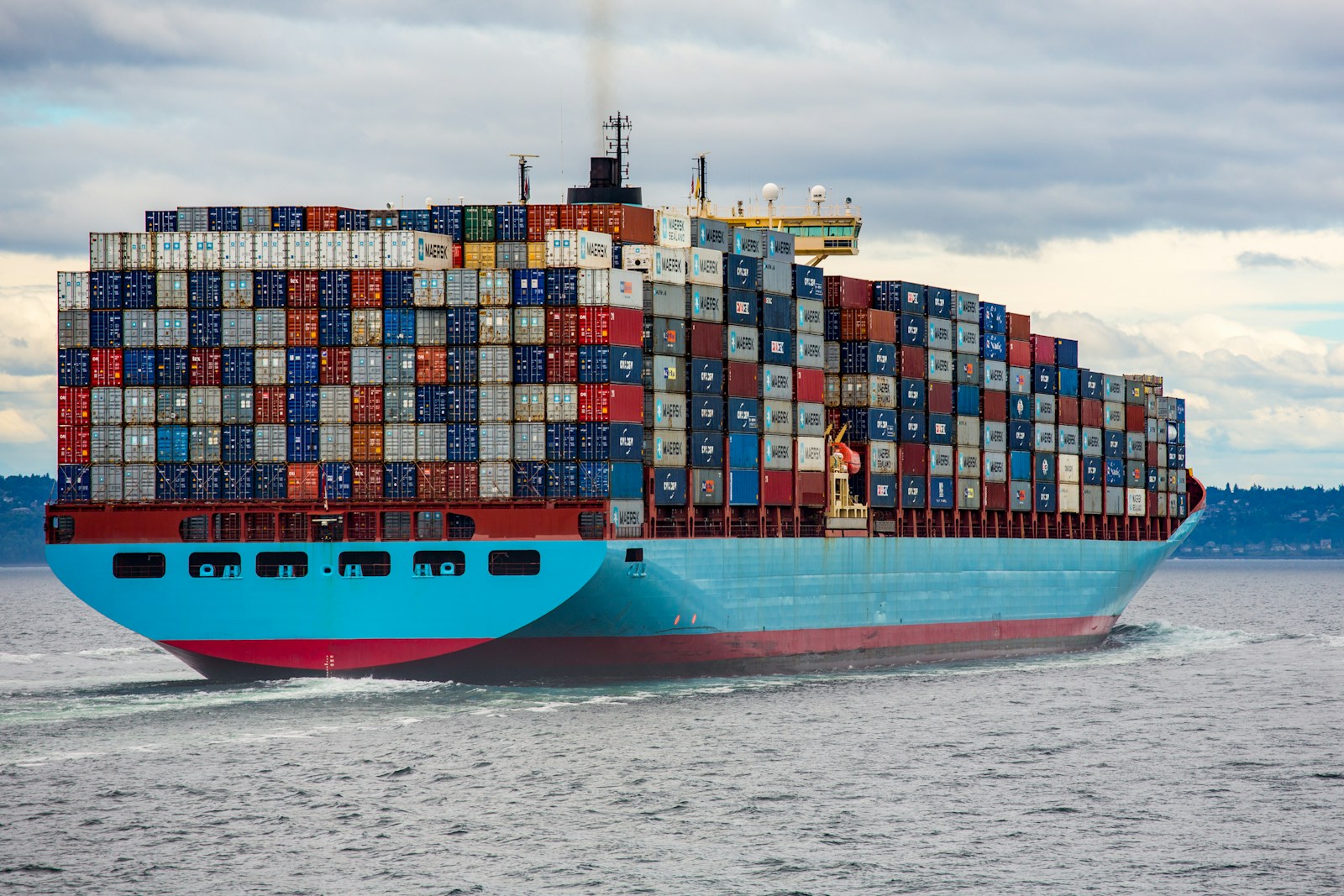 In the UAE, as with booming shipping trade, ship arrest and maritime claim are essential law tools protecting shipowner, charterer, cargo owner, and creditor interests. As a ship owner, cruise ship business, marine insurance company, or sea trade commerce, being knowledgeable about ship arrest in the UAE is a requirement.
What is a Ship Arrest?
Arrest of a ship is a legal measure of immobilization of a ship from navigation for the purpose of protecting a claim in a maritime case.
-
In UAE, the ship arrest is governed under the Federal Maritime Law (Federal Law No. 26 of 1981).
-
It lays down an exhaustive list of claims, for instance:
-
Non-payment for port dues.
-
Salary for crew.
-
Collision.
-
Damage.
-
Salvage operations.
-
In the practice of cruise ship law firms in dubai and in sea law, an order for arrest is usually the initial step within in obtaining payment for damages or debts are received prior to a ship departing a harbor.
Who Can Pursue a Maritime Claim in UAE?
Anyone with a valid maritime claim can approach the UAE maritime courts for ship arrest. Typical parties are:
-
Shipowners and charterers
-
Service providers and suppliers (for failure to pay)
-
Insurers and P&I clubs
-
Shippers asking for compensation
The claim should be made with reference to the operation of the ship, i.e., cargo claims, salvage, or ship damage.

Cruise Lines and Juridical Exigencies
The cruise ships, with their massive size, complex operations, and scores of people on board, are subject to a distinct set of legal risks.
Cruise ship arrest attorneys also need to factor in:
-
Passenger claims.
-
Medevac emergencies.
-
Schedule disruptions.
-
Environmental concerns.
Even in UAE waters, cruise ships can be arrested upon valid maritime claims, and therefore swift action must be taken to prevent costly disruptions.
How Do Police in UAE Make an Arrest?
To hold in detention:
-
Making a Claim:
The claimant must bring in evidence in a maritime claim in the local maritime court. -
Ex Parte Application:
UAE courts typically issue ship arrests ex parte, i.e., without giving notice to the shipowner. -
Security Deposit:
It can be a condition for the claimant giving a financial guarantee/bond. -
Detention of Vessel:
The port authority will detain the vessel after an arrest warrant, until:-
Money compensation is paid, or
-
The case is decided.
-
This process can be done in a short time, especially in ports with experience in handling maritime operations, like Dubai, Abu Dhabi, or Fujairah.

Release of a Ship
A ship in custody can be released when the shipowner:
-
Settles the amount claimed.
-
Offers a bank guarantee.
-
Resolves a case with a claimant.
Unless settled, the court can eventually auction the ship in order to enforce the claim.
Why Maritime Law Expert Support is Important
Maritime law and international shipping law being highly technical fields, engaging professional cruise ship lawyers in the UAE is of utmost importance.
They help you:
-
Keep posted with local legislations.
-
Safeguard your economic interest.
-
Accelerate the arrest or release process efficiently.
Historical Evolution of Ship Arrest in the UAE
Ship arrest in the UAE has developed since Federal Law No. 26 of 1981, adapting to modern trade needs and judicial practices. This evolution ensures balance between commercial growth and legal enforcement.
- 1981 Federal Maritime Law: foundation of ship arrest rules.
- Judicial interpretations: clarified scope of claims.
- Balance: trade facilitation vs. legal protection.
Comparison with International Maritime Practices
The UAE system aligns with global conventions but is distinguished by its swift ex parte arrest orders, making it faster than many jurisdictions.
- Alignment: Brussels Convention principles.
- Efficiency: quicker than UK or Singapore procedures.
- Strategic venue: attractive for global claim enforcement.
Financial Consequences for Shipowners
Ship arrest can cause heavy financial losses, from detention costs to reputational damage, and even vessel auctions if disputes remain unresolved.
- Detention costs: port dues and demurrage.
- Insurance impact: higher premiums.
- Reputation risk: delays and lost contracts.
- Extreme outcome: vessel auction.
Case Studies of Notable Ship Arrests in UAE
Real estate lawyers in Dubai cases highlight how diverse claims—from unpaid fuel bills to passenger compensation—are enforced consistently across UAE ports.
- Fujairah: detentions for unpaid bunker fuel.
- Dubai: cruise ship passenger claims.
- Lesson: law applies across vessel types.
Environmental and Safety Dimensions
Pollution, oil spills, and safety violations are increasingly grounds for ship arrest, reflecting global sustainability priorities.
- Pollution claims: oil spills and waste discharge.
- Safety breaches: non-compliance with standards.
- Sustainability: UAE reinforcing responsible maritime practices.
Digitalization and Future of Maritime Claims
Technology is reshaping maritime law, with blockchain and AI reducing disputes and accelerating claim resolution in UAE waters.
- Blockchain bills of lading: secure and transparent.
- AI compliance monitoring: proactive risk management.
- Smart contracts: faster settlements.
Frequently Asked Questions about Ship Arrest and Maritime Claims in UAE Waters
What does “ship arrest” mean in UAE law?
A ship arrest is a legal procedure where a vessel is detained by court order to secure a maritime claim, such as unpaid dues or damages.
Who can file a maritime claim in the UAE?
Any party with a valid claim—such as shipowners, charterers, suppliers, insurers, or shippers—can approach UAE maritime courts.
How quickly can a ship be arrested in UAE waters?
UAE courts often issue arrest orders ex parte (without prior notice), making the process swift, especially in major ports like Dubai, Abu Dhabi, and Fujairah.
What are the common reasons for ship arrest?
Typical grounds include non-payment of port dues, crew salaries, collision damages, salvage costs, and environmental violations.
How can a ship be released after arrest?
A vessel may be released once the claim is settled, a bank guarantee is provided, or the court resolves the case.
Conclusion
Maritime claims and maritime arrests are a legal procedure—more than a legal procedure, in fact, even within the vigorous maritime culture of the UAE.
As either a claimant asserting your rights or a ship protecting itself against arrest, you need legal advice in maritime law above all else.
